How Custom Color Matching Works for Handmade Rugs
Learn how manufacturers match Pantone, fabric swatches, and interior palettes to create bespoke handmade rugs for designers and architects.
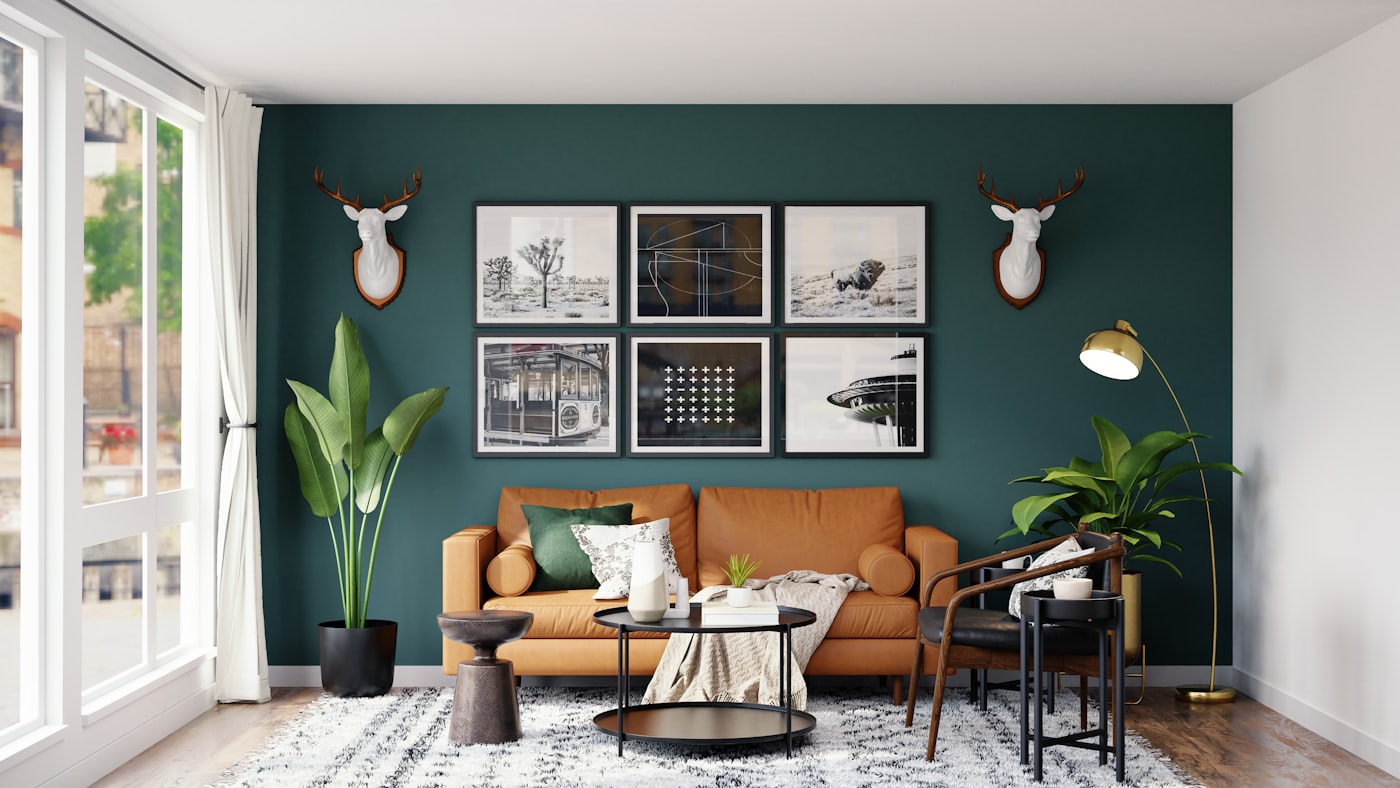
For a high-end interior designer, "close enough" is never acceptable. When designing a bespoke living room, the rug must not just complement the custom-dyed velvet sofa and the imported silk drapery; it must perfectly, flawlessly integrate with them.
Finding that exact shade of "dusty teal" or "burnt terracotta" in a retail showroom is nearly impossible. This is why the world’s elite designers turn to custom rug manufacturing. At Ajaypee Carpets, our dye house is the heart of our bespoke operation. Here is a behind-the-scenes look at how custom color matching works for luxury handmade rugs.
The Challenge: Translating Light to Wool
The fundamental challenge of color matching is that color looks different depending on the material it is applied to and the light hitting it.
- A color on a glowing computer screen (RGB) will look entirely different than the same color printed on paper (CMYK).
- Similarly, a specific shade of blue will look shiny and bright when applied to silk, but that exact same dye will look darker, matte, and more subdued when applied to unbleached sheep’s wool. The Dyer's job is to adjust the chemical formula so the final wool perfectly matches the designer's fabric target.
Step 1: Establishing the Target (The Standard)
The process begins with the designer providing a physical or universal target. We cannot match a color based on the phrase "make it a little more green."
- The Universal Standard: The most efficient method is using the Pantone Textile System (TPX/TCX) or the ARS Color Reference System (the global standard for the rug industry). The designer simply provides the specific code (e.g., ARS 520).
- Physical Swatches: Often, designers send us a physical swatch of the sofa fabric, a piece of wallpaper, or even a paint chip. We place this swatch in a controlled light box to determine its exact hue.
Step 2: The Chemistry (The Dye Master)
Once the target is established, the formula must be created. This is not done by a computer; it is done by a Master Dyer—a highly skilled artisan who often holds decades of generational knowledge.
- The Dyer assesses the base color of the raw wool. (Wool is never perfectly white; it is usually a creamy off-white, which affects how it absorbs dye).
- Using a combination of primary Azo-free chrome dyes (or natural vegetable extracts like madder root and indigo), the Dyer mixes a bespoke chemical recipe in a small beaker.
- They dye a small test skein of wool, dry it completely, and compare it to the designer's target under standard daylight conditions. This tweaking process is repeated until the match is flawless.
Step 3: The "Strike-Off" (The Physical Proof)
Even if the individual yarn matches, the designer needs to see how the colors interact when woven together in the pattern.
- We weave a small 2x2 foot prototype rug (a Strike-Off) using the newly dyed custom yarns.
- This sample is couriered to the designer. They place the strike-off next to the actual sofa in the actual room, observing how the custom colors look under the home's specific incandescent lighting.
Step 4: Revisions and Approvals
The strike-off is a tool for perfection.
- If the designer feels the custom blue is overpowering the cream background in the actual room, they request an adjustment.
- We adjust the dye formula, weave a second strike-off, and send it for approval.
- The Contract: Once the designer signs off on the physical strike-off, that 2x2 rug becomes the absolute standard. The factory keeps half, and the designer keeps half, ensuring that when the 12x15 rug is woven six months later, there is zero color discrepancy.
Step 5: Bulk Dyeing (Scaling Up)
Once approved, the Master Dyer must scale up the recipe from a tiny beaker to a massive vat to dye hundreds of kilograms of wool for the final rug.
- To ensure consistency, the wool must all be dyed in the same "lot." If a rug requires 100 kg of blue wool, all 100 kg must be dyed simultaneously in the same vat. If dyed in two separate 50 kg batches, there will be a slight, noticeable color shift (abrash) in the final rug.
Conclusion
Custom color matching is a meticulous blend of chemical science and artisanal intuition. By utilizing universal standards, relying on Master Dyers, and demanding physical strike-offs, designers can eliminate the compromise of retail shopping and deliver flawlessly integrated, truly bespoke interiors.
Execute your vision without compromise. Discover our custom manufacturing capabilities at Ajaypee Carpets.
Published in Wholesale