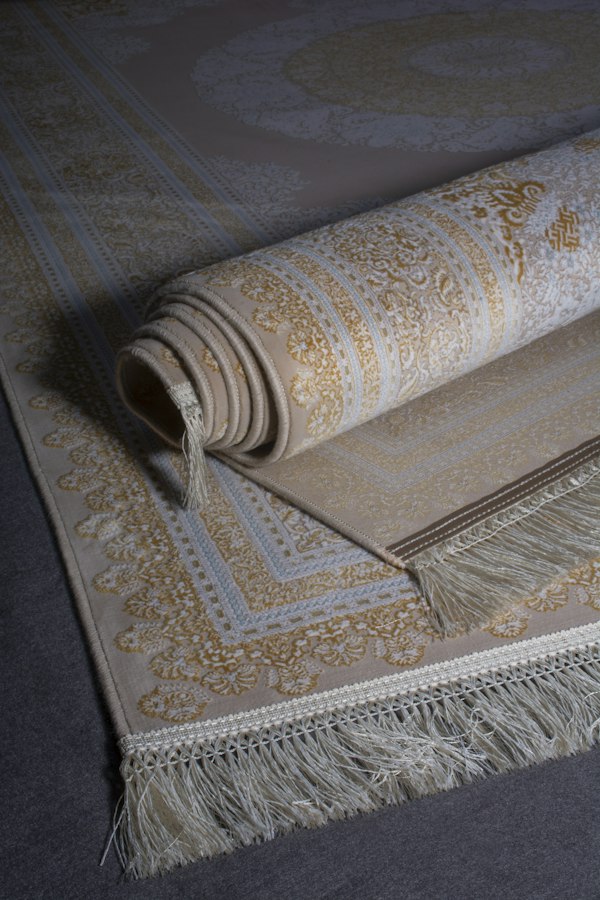
Hand Knotted vs Flat Weave Rugs: Which Construction Fits Your Lifestyle?
Explore the differences between hand knotted and flat weave rugs in terms of craftsmanship, durability, comfort, maintenance, and interior applications.
When shopping for an authentic handmade rug, the visual design is usually what catches the eye. However, the construction method is what dictates how the rug will actually function in your home.
The two most historic and revered methods of rug making are Hand-Knotted and Flatweave (Kilim/Dhurrie). Both are created entirely by human hands without machines or glues, yet they yield completely different textiles. At Ajaypee Carpets, we specialize in both ancient techniques. Here is how to decide which construction fits your lifestyle and your home.
1. Understanding the Construction
The fundamental difference lies in how the yarn is attached to the foundation.
- The Hand-Knotted Rug: This creates a rug with a "pile" (a fuzzy, raised surface). The weaver ties millions of individual knots of wool or silk around the vertical foundation threads (the warp). The ends of these knots are then sheared off to create a dense, plush surface.
- The Flatweave (Kilim/Dhurrie): This creates a rug with no pile. The weaver interweaves the horizontal colored threads (the weft) directly over and under the vertical foundation threads. It is woven flat, much like a heavy blanket or a tapestry.
2. Comfort and Texture
The presence (or absence) of a pile completely changes the tactile experience.
- Hand-Knotted: This is the ultimate in barefoot luxury. The dense pile of wool provides incredible cushioning, warmth, and sound absorption. If you want a cozy living room or a soft landing in a master bedroom, a hand-knotted rug is the undisputed choice.
- Flatweave: A flatweave is thin, firm, and highly textured (often feeling slightly ribbed or coarse). It offers very little cushioning. It is brilliant for adding visual warmth and earthy texture, but it is not designed for lounging on the floor.
3. Aesthetic and Design Complexity
- Hand-Knotted: Because the design is created pixel-by-pixel (knot-by-knot), hand-knotted rugs can achieve staggering levels of detail. They are the only way to achieve complex, sweeping floral arabesques, highly intricate medallions, and photorealistic shading.
- Flatweave: The flat weaving technique inherently favors geometric designs. Kilims and Dhurries are famous for their bold stripes, sharp diamonds, and stepped tribal motifs. They offer a more casual, rustic, or bohemian aesthetic compared to the high formality of a fine knotted Persian.
4. Durability and Maintenance
Both are highly durable because they lack the degrading latex glues found in hand-tufted rugs, but they handle traffic differently.
- Hand-Knotted: The dense pile acts as a shield. Dirt and grit sit on top of the pile (making it easy to vacuum) rather than grinding into the foundation. A high-quality hand-knotted rug can withstand decades of heavy foot traffic (in foyers or living rooms) without wearing through.
- Flatweave: Flatweaves are incredibly resilient and have a unique advantage: they are often reversible. If one side gets stained or faded, you simply flip it over. However, because they are thin, they can wear through faster than a knotted rug if placed in a high-friction area (like under a heavy dining chair that is constantly dragged).
5. Ideal Applications (Where to Put Them)
Where Hand-Knotted Excels:
- Primary Living Rooms (for acoustics and comfort)
- Master Bedrooms (for barefoot luxury)
- Formal Spaces (where intricate design is required)
Where Flatweave Excels:
- Dining Rooms (chairs slide easily across the flat surface, and there is no pile to trap food crumbs)
- Kitchens and Sunrooms (casual, low-profile, easy to shake out)
- Layering (a flatweave looks incredible layered underneath a smaller, high-pile rug in a boho-chic interior).
Conclusion
The choice between hand-knotted and flatweave is a choice between plush formality and casual utility. If your priority is deep comfort, intricate design, and acoustic dampening, invest in a hand-knotted masterpiece. If your priority is low-profile functionality, casual bohemian aesthetics, and reversibility, the flatweave is your perfect match.
Find the construction that fits your life. Explore both hand-knotted and flatweave collections at Ajaypee Carpets.
Published in Buying Guides