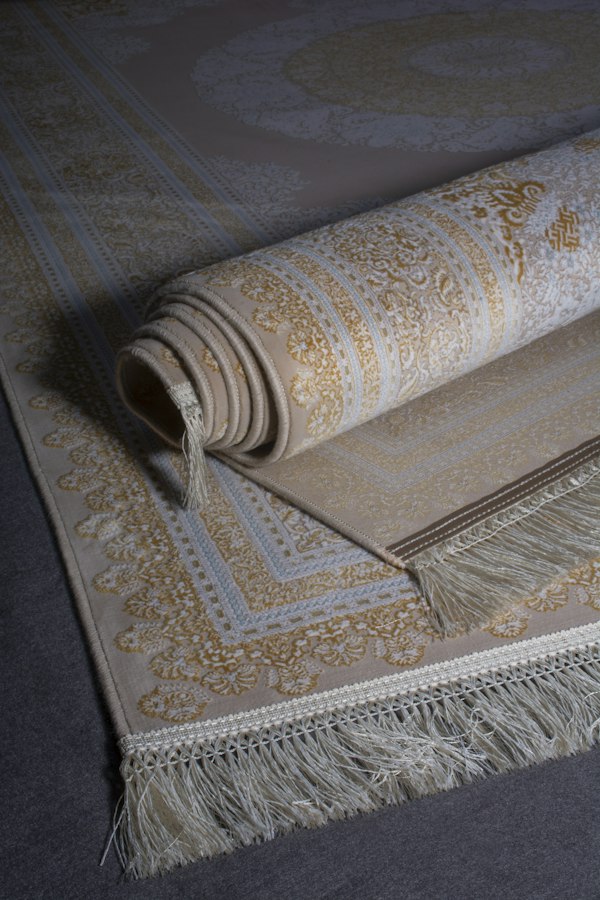
How Handmade Rug Fibers Influence Texture and Appearance
Explore how wool, silk, bamboo silk, viscose, and jute each create unique textures, sheen, and visual depth in luxury handmade rugs.
When evaluating a luxury handmade rug, the visual design—the medallions, the florals, the abstract strokes—is only half the story. The true character of a rug is dictated by its texture and how it interacts with light.
These characteristics are entirely dependent on the fibers chosen by the master weaver. At Ajaypee Carpets, we treat different fibers like a painter treats different mediums: watercolors, oils, and acrylics each yield a vastly different result. Here is a guide to how different rug fibers influence the texture, sheen, and overall appearance of a handmade rug.
1. Wool: The Matte Foundation
Wool is the bedrock of rug weaving. Depending on how it is spun and sheared, wool can offer a variety of textures, but its defining visual characteristic is its matte finish.
- Light Absorption: Wool absorbs light rather than reflecting it. This gives wool rugs a deep, saturated color profile. The colors appear rich and grounded, creating a sense of warmth and coziness in a room.
- Texture: High-quality wool is soft and springy. A thick, hand-knotted wool rug has a robust, dense texture that feels substantial underfoot.
- Visual Depth: Because it doesn't reflect light sharply, wool is perfect for bold geometric patterns or traditional designs where you want the colors to speak for themselves without the distraction of a high shine.
2. Pure Silk: The Luminous Jewel
If wool is a matte painting, silk is a stained-glass window. Pure silk is renowned for its high luster and extreme clarity.
- Light Refraction: The triangular, prism-like structure of a silk fiber refracts incoming light. This gives a silk rug a brilliant, dynamic sheen. As you walk around a silk rug, the colors will dramatically shift from light to dark depending on your angle.
- Texture: Silk is incredibly fine and smooth. A pure silk rug feels like cool velvet to the touch.
- Detail: Because the threads are so fine, weavers can achieve incredibly high knot densities (KPSI). This results in a texture so tightly woven it almost feels like a smooth fabric, allowing for photographic levels of design detail.
3. Wool and Silk Blends: The 3D Contrast
Combining wool and silk is a masterstroke in textural design, utilizing the contrasting properties of both fibers to create a three-dimensional appearance.
- The High-Low Effect: In a traditional blend, the background (field) is woven in matte wool, while the intricate design motifs are woven in luminous silk. Because the silk catches the light and the wool absorbs it, the silk patterns appear to lift off the background, creating a stunning 3D effect.
- Texture: The contrast is also tactile. As you run your hand over the rug, you can feel the transition from the sturdy, springy wool to the sleek, soft silk.
4. Bamboo Silk and Viscose: The Dramatic Sheen
Bamboo silk and viscose (art silk) are used specifically for their dramatic, almost metallic sheen.
- Extreme Light Reflection: These cellulosic fibers reflect light even more aggressively than pure silk. They create a highly glamorous, modern look. A grey bamboo silk rug might look charcoal from one side and shimmering silver from the other.
- Texture: They are exceptionally plush and slippery-soft underfoot. However, because the fibers crush easily under foot traffic, the texture can change over time, developing a "crushed velvet" appearance where it has been walked on heavily.
5. Jute and Natural Grasses: The Organic Chunk
Moving away from the smooth and plush, natural plant fibers like jute offer a highly architectural, chunky texture.
- Earthy Appearance: Jute has a very slight natural golden sheen, but its primary visual draw is its rustic, woven appearance. It brings an earthy, unpretentious, "wabi-sabi" aesthetic to a space.
- Texture: Jute is characterized by thick, knobby braids or bouclé loops. It is highly tactile—you can feel every individual weave under your feet. It is not plush, but it is deeply satisfying for those who love organic textures.
Conclusion
Understanding how fibers influence texture and light allows you to use a rug as a powerful design tool.
- Want a cozy, grounded room? Choose the matte warmth of wool.
- Want a glamorous, dynamic focal point? Choose the luster of silk or viscose.
- Want organic architectural depth? Choose the chunky weave of jute.
Discover the perfect texture for your interior vision by exploring the diverse material collections at Ajaypee Carpets.
Published in Rug Materials