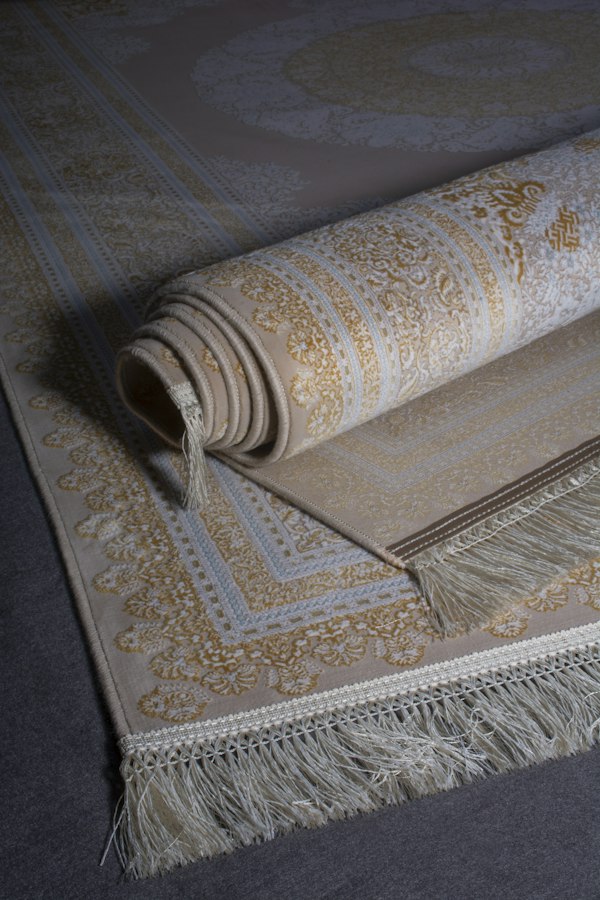
How Knot Density Affects the Quality of Handmade Rugs
Understand the role of knot density in determining the detail, durability, texture, and long-term value of premium handmade rugs.
When shopping for a luxury handmade rug, you will frequently hear dealers reference "knot density" or "KPSI" (Knots Per Square Inch). Often, this metric is presented as the ultimate deciding factor in a rug's quality and price.
But what does knot density actually mean, and does a higher number always equal a better rug? At Ajaypee Carpets, we weave rugs across a vast spectrum of knot densities to achieve different artistic goals. Here is the definitive guide to understanding how knot density affects the quality, look, and value of a handmade rug.
What is Knot Density (KPSI)?
Knot density is a measure of how tightly packed the knots are within the foundation of the rug.
- It is calculated by counting the number of knots along one inch of the vertical warp, and multiplying it by the number of knots along one inch of the horizontal weft.
- For example, if a rug has 10 knots per vertical inch and 10 knots per horizontal inch, it has a knot density of 100 KPSI.
1. How Density Affects Artistic Detail (Clarity)
The most immediate and visual impact of knot density is resolution. Think of knots as pixels on a television screen.
- Low Density (40 - 80 KPSI): Like a low-resolution image, low-density rugs use thicker yarn. They are incapable of rendering sharp, curving lines. These rugs are perfect for bold, chunky, geometric tribal designs (like Moroccan or Gabbeh rugs).
- High Density (150 - 400+ KPSI): Like a 4K television, high-density rugs use incredibly fine, thin yarn (often silk or very fine worsted wool). This allows the weaver to create breathtakingly intricate details—perfectly sweeping floral vines, subtle shading (gradient colors), and razor-sharp borders. Classic Persian-style city rugs (like Tabriz or Isfahan) demand high knot density.
2. How Density Affects Durability
It is a common myth that a higher knot density automatically means a rug will last longer. This is false.
- Durability is primarily determined by the quality of the material (e.g., premium New Zealand wool vs. brittle, low-grade wool) and the tightness of the weave, not the size of the knot.
- In fact, a thick, chunky tribal rug with 60 KPSI woven with high-lanolin mountain wool will often withstand heavy foot traffic (like in an entryway or living room) better than an ultra-fine 400 KPSI pure silk rug, which is delicate and better suited for a low-traffic formal sitting room.
3. How Density Affects Texture (Pile Height)
Knot density directly dictates how the rug feels underfoot.
- Low Density = High Pile: To fill the space on the loom, low-density rugs use thick yarn. The pile is left long and shaggy, resulting in a rug that feels incredibly plush, thick, and casual underfoot.
- High Density = Low Pile: To pack 300 knots into a square inch, the yarn must be extremely thin. Consequently, high-density rugs must be sheared very short (low pile) so the intricate design remains crisp and clear. They feel dense, sleek, and highly formal underfoot.
4. How Density Affects Price
Knot density has a massive impact on the price of a rug, simply because it dictates the amount of human labor required.
- A weaver can only tie a certain number of knots per day (typically 6,000 to 10,000).
- A 9x12 rug at 100 KPSI contains roughly 1.5 million knots. It might take a team of three weavers 4 to 6 months to complete.
- The exact same 9x12 rug woven at 300 KPSI contains roughly 4.6 million knots. It will take that same team 12 to 18 months to complete.
- You are paying for the immense increase in labor time and the highly skilled artisans required to tie such microscopic knots.
Conclusion: Is Higher Always Better?
No. A 300 KPSI rug is not "better" than an 80 KPSI rug; it is simply different.
- If you want a casual, thick, cozy rug with a bold geometric pattern for a family room, a low-density wool rug is the superior choice.
- If you want a highly formal, intricate, "quiet luxury" masterpiece for a grand dining room, a high-density wool or silk rug is required.
Discover the perfect balance of detail, texture, and durability for your specific needs by exploring the hand-knotted collections at Ajaypee Carpets.
Published in Handmade Craftsmanship