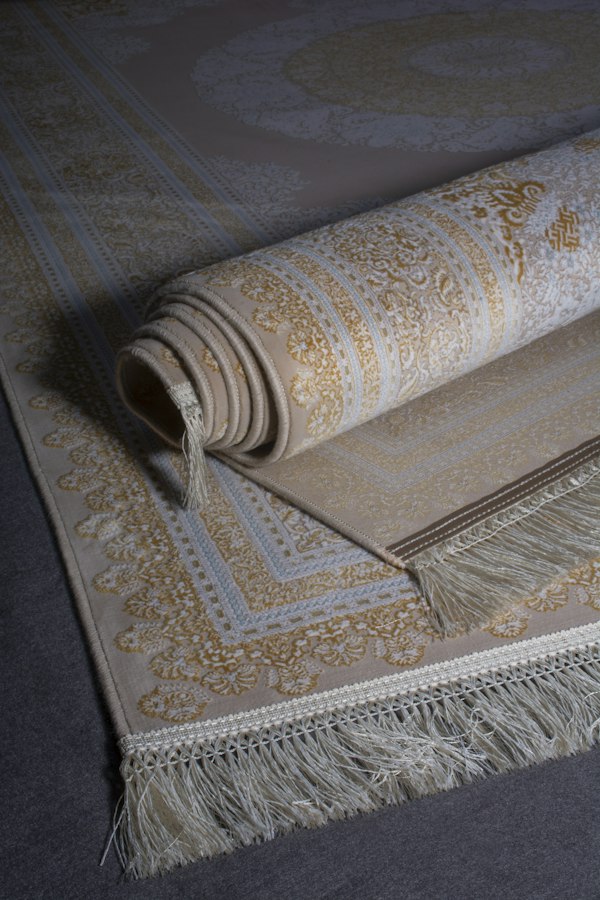
How to Import Handmade Rugs Directly from India: A Guide for International Buyers
Learn the complete importing process, from selecting a reliable manufacturer to production, quality control, shipping, documentation, and international delivery.

India—specifically the Bhadohi-Mirzapur belt in Uttar Pradesh—is the undisputed global capital of handmade carpet manufacturing. For international rug retailers, furniture stores, and large-scale interior design firms, importing directly from the source is the key to maximizing profit margins and ensuring bespoke quality.
However, international trade can be complex. At Ajaypee Carpets, we have spent decades perfecting our export operations, shipping luxury rugs to clients across North America, Europe, and the Middle East. Here is a comprehensive guide to importing handmade rugs directly from India.
Step 1: Finding the Right Manufacturer (Not Just a Trader)
The Indian market is flooded with middlemen ("traders" or "aggregators") who buy rugs from villages and resell them. To get the best price and quality control, you must partner with a direct manufacturer.
- Look for Vertical Integration: A true manufacturer (like Ajaypee Carpets) controls the entire supply chain. Ask if they have their own dyeing facilities, looms, and finishing units.
- Compliance and Ethics: Ensure the manufacturer adheres to strict ethical standards. They should hold certifications ensuring no child labor is used (like GoodWeave) and follow environmentally safe dyeing practices.
Step 2: The Sampling Process (Strike-Offs)
Never place a massive bulk order without first verifying the quality and color in person.
- Send your designs and color requirements (Pantone codes) to the manufacturer.
- Request a strike-off—a small physical sample (usually 2x2 feet) of your rug. The manufacturer will weave this sample and ship it to you via air courier (DHL/FedEx).
- You review the sample for pile height, knot density, and dye accuracy. Once you approve the strike-off, bulk production begins.
Step 3: Production and Quality Control Updates
Transparency during the manufacturing phase is crucial. A hand-knotted order can take 6 to 9 months to produce.
- A reliable exporter will provide regular progress reports. Expect to see photos of the yarn being dyed, the rug on the loom, and the finishing process.
- The Final Audit: Before shipping, the manufacturer must conduct a rigorous quality control check (ensuring dimensions are accurate, the rug lays flat, and the shearing is even). Request a final video or high-resolution photos of the finished goods before authorizing shipment.
Step 4: Shipping Logistics (Air vs. Sea)
Rugs are heavy and bulky. The shipping method drastically affects your landed cost.
- Air Freight (Fast but Expensive): Ideal for urgent custom orders, high-value silk rugs, or small wholesale batches. Transit time is usually 5 to 7 days to most major global airports.
- Sea Freight (Economical for Bulk): The standard method for wholesale orders (LCL - Less than Container Load, or FCL - Full Container Load).
- Transit Times by Sea: Shipping from Mumbai (Nhava Sheva) to New York usually takes 30-40 days. Shipping to European ports (like Rotterdam) takes 25-30 days.
Step 5: Export Documentation and Customs Clearance
To ensure your rugs clear customs smoothly in your home country, the Indian exporter must provide flawless documentation. Essential documents include:
- Commercial Invoice: Detailing the exact value, quantity, and description of the goods.
- Packing List: Showing the weight and dimensions of every bale or roll.
- Bill of Lading (B/L) or Airway Bill (AWB): The official shipping contract and receipt.
- Certificate of Origin (GSP Form A): Crucial for minimizing import duties in many Western countries.
- Fumigation Certificate: Proof that the wooden pallets/packaging (if used) are free of pests, required by countries like Australia and the US.
Pro Tip: Always work with a licensed Customs Broker in your home country. They will handle the import duties, taxes, and final delivery from the port to your warehouse, ensuring you don't face unexpected delays.
Conclusion
Importing handmade rugs from India is highly lucrative when executed correctly. By partnering with a transparent, vertically integrated manufacturer, demanding strike-offs, and understanding the logistics of sea freight, you can bypass the wholesalers and bring world-class luxury directly to your showroom.
Start your import journey today by partnering with the export experts at Ajaypee Carpets.
Published in Wholesale