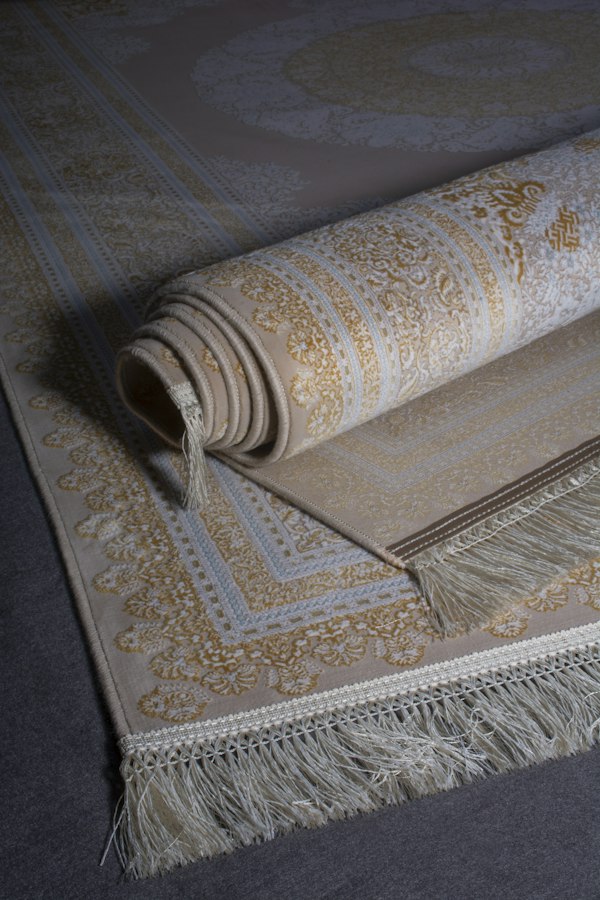
How to Store Handmade Rugs Properly for Long-Term Protection
Follow best practices for rolling, wrapping, and storing handmade rugs to prevent mold, pests, creases, and fiber damage during long-term storage.

Whether you are relocating, remodeling, or simply rotating your seasonal decor, there comes a time when you need to store a luxury handmade rug.
Because handmade rugs are woven from organic materials (wool, silk, cotton), they are highly susceptible to environmental damage when not in active use. Storing a rug incorrectly for even a few months can result in catastrophic moth damage, dry rot, or permanent creases that destroy the foundation. At Ajaypee Carpets, we frequently restore rugs damaged in storage. Here is the definitive guide to packing and storing a handmade rug safely.
1. Clean It Before You Store It
This is the most critical step. You must never store a dirty rug.
- Microscopic food particles, pet dander, and household oils are magnets for pests (specifically the webbing clothes moth and carpet beetles).
- If you roll up a dirty rug, you are creating a dark, undisturbed buffet for larvae, which will eat through the wool pile in a matter of weeks.
- Action: Have the rug professionally washed and dried completely before packing.
2. Treat Against Pests
Even after a professional wash, you must deter pests from finding the rug in storage.
- Do not use mothballs. They are highly toxic and leave an odor that is nearly impossible to remove from wool.
- Action: Ask your professional rug cleaner to apply a moth-repellent (often a magnesium silicofluoride solution) after washing. This makes the wool taste bitter to larvae without leaving an odor.
3. Roll It, Never Fold It
Folding a handmade rug for long-term storage will snap the rigid cotton foundation and leave permanent, unfixable creases. You must roll it.
- Determine the Direction: Run your hand over the pile. It will feel smooth in one direction (the "down" pile) and rough in the other (the "up" pile).
- The Technique: Roll the rug against the grain (starting from the bottom of the pile). This prevents the foundation from stretching.
- The Core: For extra protection (especially for silk or antique rugs), roll the rug around a sturdy cardboard or PVC cylinder. This prevents the roll from collapsing on itself.
4. Wrap It in the Correct Material
The material you use to wrap the rug determines whether it survives storage.
- Never Use Plastic: Plastic (like heavy-duty garbage bags or plastic wrap) traps moisture. Even the slightest change in temperature will cause condensation inside the plastic. With no airflow, the moisture will cause the cotton foundation to rot (dry rot) and mildew to form.
- The Correct Wrap: Wrap the rolled rug in breathable Tyvek paper or heavy-duty acid-free muslin cotton. These materials allow the rug to breathe while keeping dust and pests out. Secure the wrap with twine or breathable tape (do not tape directly onto the rug!).
5. Choose the Right Environment
The environment where the rug lives is just as important as how it is packed.
- Climate Control is Mandatory: The ideal storage environment is a climate-controlled room with stable temperature (60-75°F) and low humidity (around 50%).
- Avoid Attics and Basements: Attics suffer from extreme heat fluctuations, baking the natural oils out of the wool. Basements are prone to dampness and flooding, leading to rot.
- Elevation: Never store a rug directly on a concrete floor (concrete wicks moisture). Elevate the rug on a rack or a pallet.
Conclusion
Storing a luxury rug requires an investment of time and care, but it guarantees that your heirloom will be in pristine condition when you are ready to unroll it again. By ensuring the rug is clean, rolled, wrapped in breathable material, and kept in a stable climate, you protect its beauty for the next generation.
If you are looking to add to your collection, explore the new arrivals at Ajaypee Carpets.
Published in Rug Care