Silk Rugs Explained: Why They Are Among the World's Most Luxurious Floor Coverings
Explore the craftsmanship, beauty, investment value, and maintenance of handmade silk rugs prized by collectors and luxury homeowners worldwide.

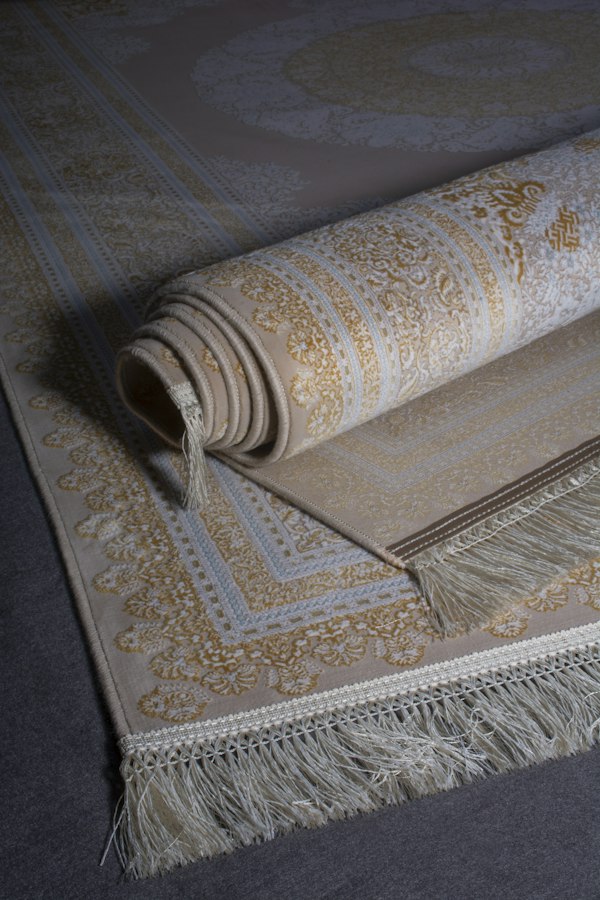
In the pantheon of luxury textiles, nothing commands quite as much reverence as a pure handmade silk rug. Shimmering in the light, impossibly soft to the touch, and woven with a level of detail that defies the naked eye, a silk rug is the absolute apex of carpet weaving.
At Ajaypee Carpets, our master weavers handle pure silk with the utmost precision. If you are considering adding one of these masterpieces to your collection, here is everything you need to know about the world’s most luxurious floor covering.
The Miracle of the Material
Unlike wool (sheared from sheep) or cotton (harvested from a plant), true silk is a protein fiber spun by the Bombyx mori silkworm.
- A single silkworm cocoon contains a continuous thread that can stretch up to a mile long.
- The microscopic structure of this thread is shaped like a triangular prism. This unique shape allows silk to refract incoming light like a diamond, giving silk rugs their signature, luminous glow.
- Despite its delicate appearance, a single thread of pure silk is incredibly strong—pound for pound, it has a tensile strength comparable to steel wire.
Unparalleled Detail: The High KPSI Advantage
Because silk threads are exceptionally fine, artisans can tie significantly more knots into a square inch than they could with wool.
- A fine wool rug might have 150 Knots Per Square Inch (KPSI).
- A pure silk rug commonly starts at 300 KPSI and can easily exceed 600 to 1,000 KPSI.
This extreme density allows the weaver to create designs of photographic clarity. The curves of a floral motif, the intricate geometry of a medallion, and the subtle shading of colors can be executed with breathtaking precision. Because of this high knot count, a single silk rug can take a team of master weavers over a year to complete.
How to Identify Pure Silk (vs. "Art Silk")
Because pure silk is highly expensive, the market is flooded with synthetic imitations known as "art silk" (viscose, rayon, or bamboo silk). While these look nice, they lack the durability, value, and true luster of real silk.
To ensure you are buying real silk, experts use the Burn Test: If you (or your dealer) take a tiny fiber of the rug and burn it:
- Pure Silk will smell like burning hair (since it is a natural protein) and turn into a brittle, crushable black ash. It stops burning when the flame is removed.
- Art Silk (Viscose) will smell like burning paper (since it is plant-based cellulose) and burn rapidly, leaving a soft, gray ash.
The Investment Value of Silk Rugs
Pure silk rugs are not just decor; they are tangible assets. Because the raw material is expensive, the labor required is immense, and the number of master weavers capable of tying 600+ KPSI is dwindling, pure silk rugs hold their value exceptionally well. Antique silk rugs from Persia (such as Qum or Tabriz) or fine Indian silk carpets frequently appreciate in value and are highly sought after by collectors and auction houses.
Ideal Placement
While the thread itself is strong in tension, silk pile is delicate against abrasion.
- The Wall: Many pure silk rugs are so fine and beautiful that they are never walked on; they are hung on walls like fine tapestries.
- Low-Traffic Areas: If placed on the floor, they should be reserved for formal living rooms, master bedrooms, or private studies. They should never be placed in entryways, dining rooms, or areas where shoes are routinely worn.
Maintenance and Care
A silk rug requires the utmost respect when it comes to cleaning.
- Vacuuming: Use a suction-only vacuum or a soft hand brush. Never use a rotary beater bar.
- Spills: Silk is highly sensitive to moisture. If a spill occurs, blot it immediately with a dry cloth. Do not use chemical spot cleaners or excessive water.
- Professional Cleaning: A pure silk rug must only be cleaned by a certified rug professional experienced in handling natural silk. Standard carpet cleaners will ruin the texture and cause the colors to bleed.
Conclusion
Owning a pure silk rug is like owning a fine jewel. It requires a significant investment and careful maintenance, but in return, it offers a daily experience of unparalleled beauty and luxury.
To explore bespoke silk commissions or view our highest-density masterworks, contact the design team at Ajaypee Carpets.
Published in Rug Materials