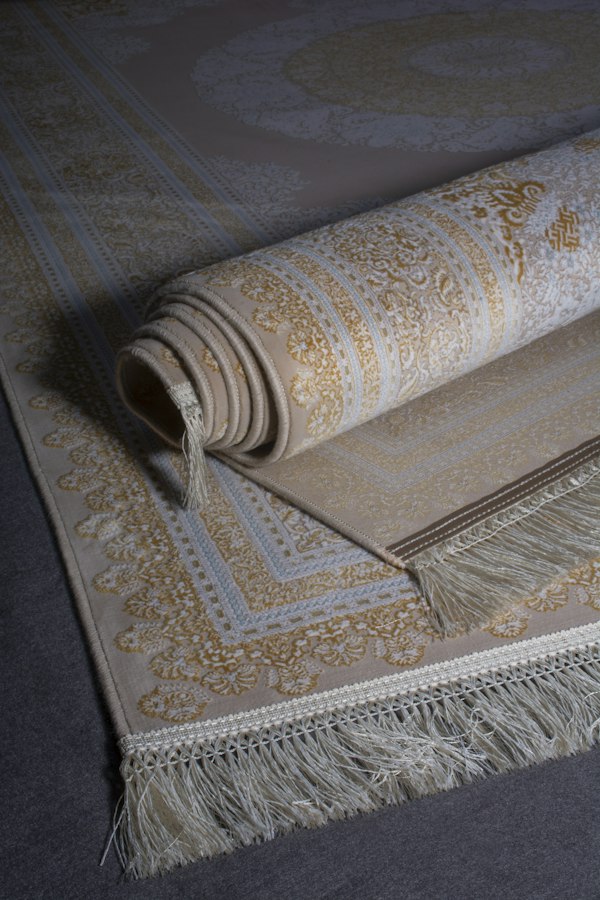
Why Handmade Rugs Are a More Sustainable Choice Than Mass-Produced Carpets
Discover how handmade rugs reduce environmental impact through traditional craftsmanship, renewable materials, lower energy consumption, and exceptional longevity.

The interior design industry is undergoing a massive shift. As consumers become acutely aware of the environmental crisis, "fast furniture" and disposable decor are falling out of favor. Homeowners and designers are actively seeking out sustainable, eco-friendly materials that do not harm the planet.
When it comes to flooring, the choice between a mass-produced synthetic carpet and a handmade rug is not just an aesthetic decision; it is a profound environmental one. At Ajaypee Carpets, our commitment to sustainability is woven into our heritage. Here is why a handmade rug is the ultimate sustainable choice for your home.
1. The Carbon Footprint of the Loom vs. The Factory
The primary difference lies in how the rug is created.
- Mass-Produced Carpets: The vast majority of carpets sold today are woven in massive, heavily automated factories powered by fossil fuels. The machines require immense amounts of electricity, cooling systems, and constant mechanical maintenance, resulting in a massive carbon footprint before the carpet even leaves the factory.
- Handmade Rugs: A hand-knotted or hand-tufted rug is powered by human energy. The looms are operated by hand. The wool is often spun by hand. While electricity is used for modern lighting and some finishing tools (like shearing machines), the actual manufacturing process requires zero fossil fuels. It is one of the lowest-carbon-footprint manufacturing processes on earth.
2. Renewable vs. Petroleum-Based Materials
What the rug is made of dictates its environmental impact.
- The Synthetic Problem: Machine-made carpets are typically made from nylon, polyester, or polypropylene. These are plastics. They are derived from petroleum, a non-renewable fossil fuel. Creating these fibers requires toxic chemical processing and immense energy.
- The Natural Solution: Handmade rugs are woven from nature. Wool grows on sheep that are shorn annually (a necessary process for the animal's health). Cotton and jute are rapidly renewable agricultural crops. Silk is produced by silkworms. These materials are 100% natural, rapidly renewable, and require minimal chemical processing.
3. The Lifecycle: Heirloom vs. Landfill
The most significant environmental impact of any product is its lifespan.
- The Disposable Carpet: Synthetic wall-to-wall carpeting and cheap machine-made area rugs have a lifespan of roughly 5 to 7 years. Once they wear out or go out of style, they cannot be easily recycled because the plastic fibers are glued to a synthetic backing. Millions of tons of synthetic carpet are dumped into landfills every year, where they will sit for centuries, slowly releasing microplastics into the soil.
- The Heirloom Rug: A high-quality hand-knotted wool rug is built to last 50 to 100 years. You do not throw it away when you move; you take it with you. You pass it down to your children. Because you only buy it once, its lifecycle environmental impact is incredibly low.
4. Biodegradability at the End of Life
Even a masterpiece will eventually reach the end of its life.
- When a synthetic rug is finally discarded, it remains plastic forever.
- When a 100% wool and cotton hand-knotted rug reaches the absolute end of its usefulness, it is entirely biodegradable. Because it is made of natural protein and cellulose fibers, it will naturally decompose back into the earth, leaving no toxic residue behind.
5. Supporting Sustainable Dyeing Practices
The textile dyeing industry is historically one of the worst polluters of water.
- Cheap, mass-produced carpets often use toxic dyes that are flushed into local water systems.
- Responsible handmade rug manufacturers (like Ajaypee Carpets) use a combination of natural vegetable dyes and eco-friendly, azo-free chrome dyes. Furthermore, premium manufacturers operate strict Effluent Treatment Plants (ETPs) to filter and clean the water used in the dyeing and washing process before it is released back into the environment.
Conclusion
Sustainability in interior design means choosing products that are made responsibly, last a lifetime, and return safely to the earth. A handmade rug is not just a luxury item; it is a profound rejection of disposable consumer culture.
Make a sustainable choice for your home by exploring the natural, hand-woven collections at Ajaypee Carpets.
Published in Sustainability