How to Choose the Right Rug for Open Floor Plans
Learn how luxury handmade rugs define functional zones in open-concept homes while maintaining visual harmony, balanced proportions, and seamless interior flow.
The open floor plan is the hallmark of modern luxury architecture. High ceilings, massive windows, and the seamless flow between the kitchen, dining, and living areas create an airy, expansive environment. However, without physical walls to divide the space, this architectural style presents a unique design challenge: How do you prevent the massive room from feeling like a cavernous, chaotic warehouse?
The answer lies beneath your feet. In an open-concept home, luxury handmade rugs act as "invisible walls." They are the primary architectural tool used by interior designers to organize the space. At Ajaypee Carpets, we frequently consult on large-scale open-plan projects. Here is how to choose the right rugs to anchor your open floor plan.
1. The Strategy of Zoning
The goal of placing rugs in an open plan is to create distinct, functional "islands" or "zones" (e.g., the Lounge Zone, the Dining Zone, the Reading Nook).
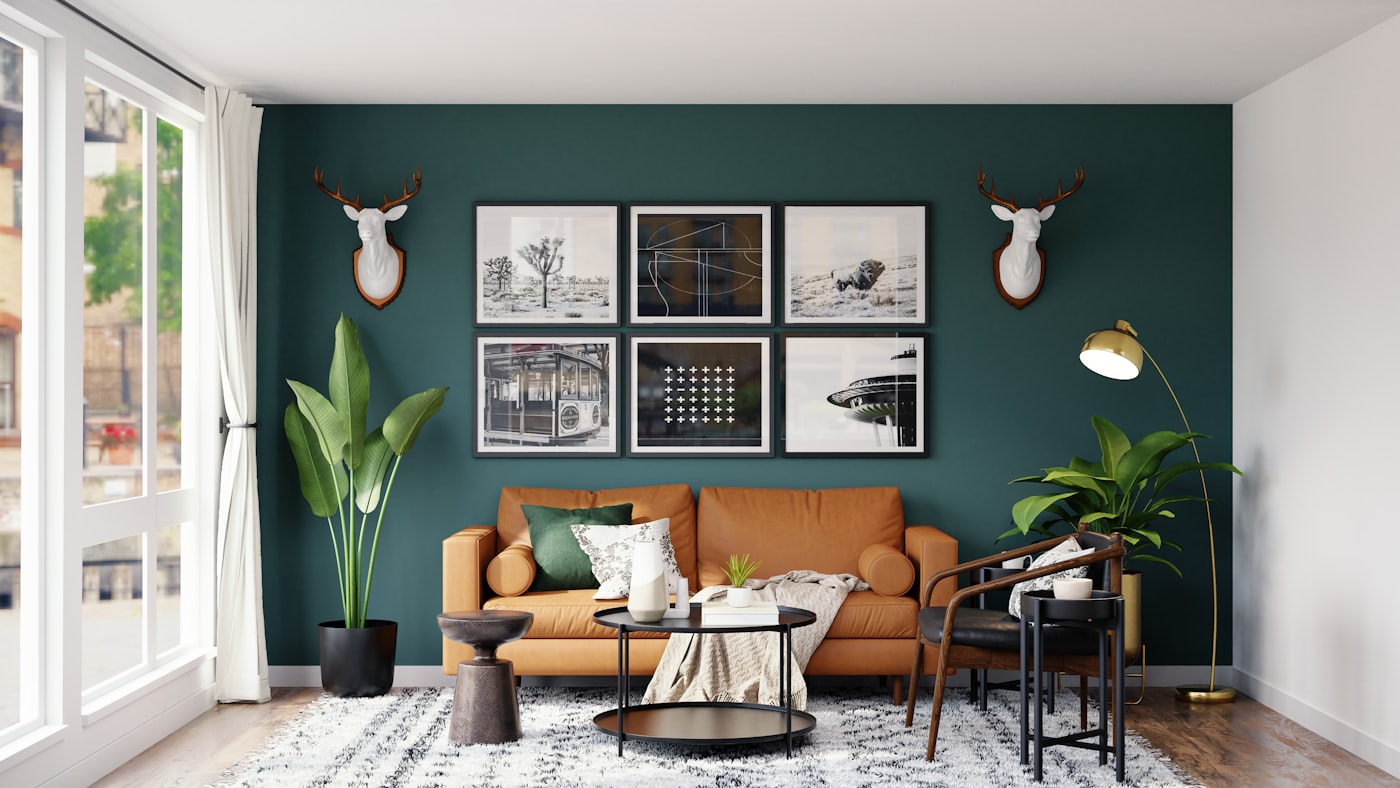
- The Living/Lounge Zone: This rug should be large enough to anchor the entire primary seating arrangement. The front legs of the sofa and all accent chairs must sit firmly on the rug. If the rug is too small, the furniture will look like it is floating aimlessly in the massive room.
- The Dining Zone: The rug under the dining table must be large enough so that when guests pull their chairs out to sit down, the back legs of the chairs remain on the rug. (Usually, this requires adding at least 24 inches to all sides of the table).
2. Maintaining Visual Harmony (To Match or Not to Match?)
When you stand in an open floor plan, you can see all the rugs simultaneously. How do you coordinate them?
- The Matching Mistake: Do not buy three identical rugs for the living, dining, and kitchen areas. This looks like a hotel lobby and lacks residential sophistication.
- The "Sister Rug" Approach: The most sophisticated approach is coordination, not matching. Choose rugs that share a common color palette but feature different patterns or textures.
- Example: Use a bold, patterned hand-knotted Persian rug in the living room (the focal point). For the adjacent dining room, use a subtly textured, solid-color hand-loomed wool rug in a color pulled directly from the living room rug. This connects the zones without competing for attention.
3. Creating Flow with Texture
Texture is a brilliant way to differentiate zones without clashing patterns.
- In the living room (the Lounge Zone), you want maximum comfort and barefoot luxury. Specify a thick, high-pile wool or a plush Moroccan shag.
- In the adjacent dining area, a thick pile is a nightmare for moving chairs and cleaning crumbs. Specify a low-pile, tightly woven kilim or a dense hand-tufted rug.
- The contrast in texture defines the two spaces structurally, even if the colors are similar.
4. Scaling the Spaces
Proportion is critical in a massive room. If one rug is significantly smaller than the others, that zone will look unimportant and dwarfed by the architecture.
- Ensure the rugs are proportional not just to the furniture they anchor, but to the overall volume of the room. A massive 40-foot living space requires massive rugs (often 10x14 or 12x15).
- Leave enough "breathing room" (exposed hard flooring) between the different rugs to clearly define the walkways and maintain the airy feel of the open concept.
5. Acoustic Control
Open floor plans are inherently loud. Sound bounces off the hard floors, massive windows, and high ceilings.
- Using multiple, thick handmade wool rugs across the different zones is essential for acoustic dampening. They absorb the echoes of the kitchen and the television, making the expansive room feel quiet, intimate, and truly luxurious.
Conclusion
In an open-concept home, the rugs are not finishing touches; they are the architectural foundation of the interior design. By strategically zoning the space with coordinated, proportional handmade rugs, you can maintain the expansive beauty of the architecture while creating intimate, functional living areas.
Define your open spaces with the massive oversized collections at Ajaypee Carpets.
Published in Buying Guides