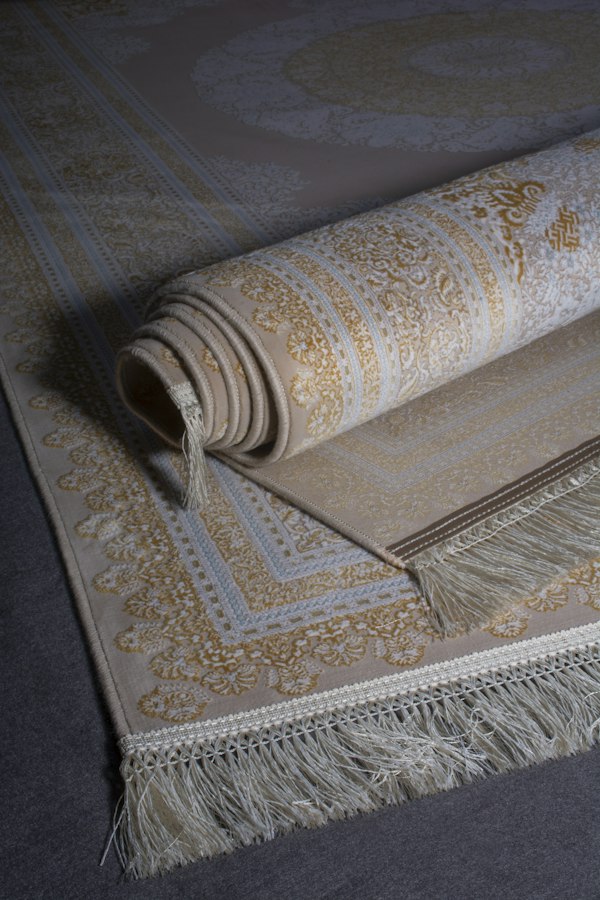
Luxury Hotel Rugs: How to Choose Carpets That Elevate Guest Experience
Discover how hotels select premium handmade rugs that combine elegance, durability, acoustic comfort, and long-term performance for guest rooms, lobbies, suites, and public spaces.
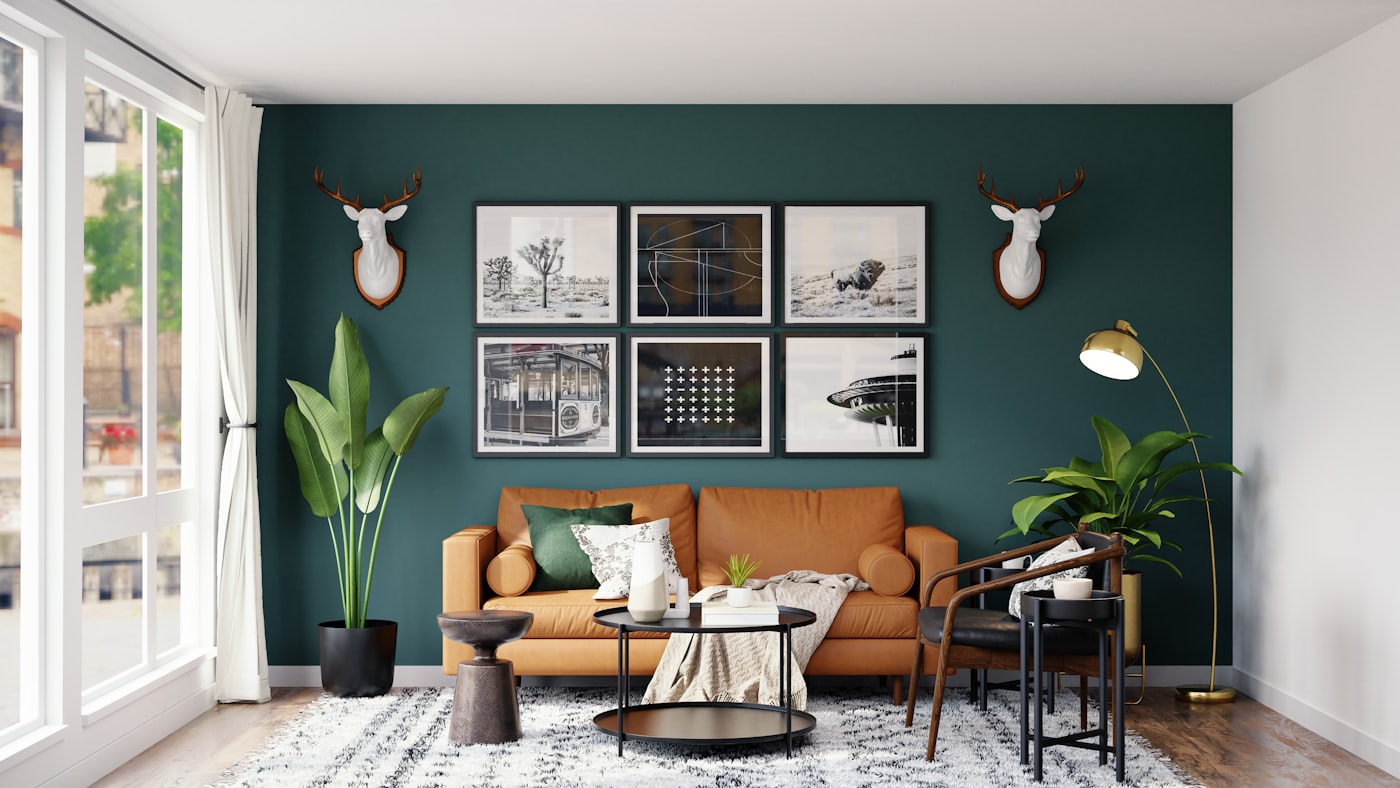
In the hyper-competitive world of luxury hospitality, the physical environment must communicate exclusivity the moment a guest steps through the door. While architectural elements and lighting play crucial roles, the tactile experience of the floor is often what cements a guest's perception of five-star quality.
A standard commercial carpet screams "institutional." A custom handmade rug, however, signals uncompromising luxury. At Ajaypee Carpets, we partner with global hotel brands to weave statement pieces that withstand commercial rigors while delivering residential-level elegance. Here is how luxury hotels choose carpets that elevate the guest experience.
1. The Grand Lobby: Making the First Impression
The lobby is the epicenter of the hotel's brand identity. The rug in this space must be a showstopper.
- Scale and Impact: Lobby rugs are typically massive, oversized pieces (often 20x30 feet or larger). They act as visual anchors in cavernous spaces, drawing the eye away from the check-in desk and toward inviting seating areas.
- Material Selection: Because the lobby endures relentless foot traffic and rolling luggage, the material must be incredibly durable. Hand-tufted wool or dense hand-knotted wool is the gold standard. Pure silk is generally avoided here due to maintenance, but Bamboo Silk or Viscose is often blended with the wool to create a shimmering, high-low texture that catches the chandelier light.
- Acoustics: Lobbies are notoriously loud. A thick wool rug acts as a massive acoustic dampener, absorbing the clatter of heels and luggage wheels, instantly making the space feel calm and sophisticated.
2. Guest Rooms: Creating the Residential Retreat
Today’s luxury traveler does not want a hotel room that feels like a hotel room; they want a highly curated residential retreat.
- Moving Away from Wall-to-Wall: The trend in luxury hospitality is stripping out wall-to-wall synthetic carpeting in favor of premium hardwood or stone flooring, accented by large, custom handmade rugs.
- Placement: A large rug (typically an 8x10 or 9x12) is placed generously under the bed, providing a soft, warm landing pad for bare feet in the morning.
- The Tactile Experience: In the guest room, foot traffic is light. This is where hotels can prioritize extreme softness. High-pile wool or silky viscose blends are preferred to maximize barefoot luxury.
3. Executive Suites and Penthouses
The most expensive rooms in the hotel require the most exclusive textiles.
- In Presidential Suites, hoteliers often abandon commercial constraints entirely and opt for genuine hand-knotted silk or ultra-fine worsted wool masterpieces.
- These rugs are often bespoke commissions, designed to perfectly match the curated artwork and antique furniture of the suite, signaling to the VIP guest that no expense was spared.
4. Corridors and Hallways
Hallway runners must balance aesthetics with extreme durability and safety.
- The Challenge: Corridors see constant traffic and housekeeping carts. Furthermore, local fire codes often dictate strict flammability ratings for corridor flooring.
- The Solution: Custom hand-tufted or hand-loomed wool runners are ideal. Wool is naturally flame-retardant (often meeting commercial fire codes without chemical treatments) and possesses natural "crimp," meaning the fibers spring back after being crushed by heavy carts.
5. Maintenance and Longevity in Hospitality
Hotels cannot afford to close a lobby for three days to clean a delicate rug.
- Color Strategy: Smart hospitality design incorporates medium-to-dark tones and complex, abstract, or mottled patterns (like the "abrash" effect in natural dyes). These designs brilliantly camouflage minor spills and daily dust between professional cleanings.
- The Investment: While the upfront cost of a custom handmade wool rug is higher than synthetic commercial carpeting, its lifespan is vastly superior. A high-quality wool rug will outlast synthetic carpet by decades, making it a highly cost-effective investment over the lifecycle of the hotel renovation.
Conclusion
The rugs in a luxury hotel are not merely decorative afterthoughts; they are critical functional assets that control acoustics, dictate the brand’s aesthetic, and provide a tactile sense of comfort that guests remember long after they check out.
Explore how Ajaypee Carpets partners with hospitality designers to create unforgettable guest experiences worldwide.
Published in Hospitality