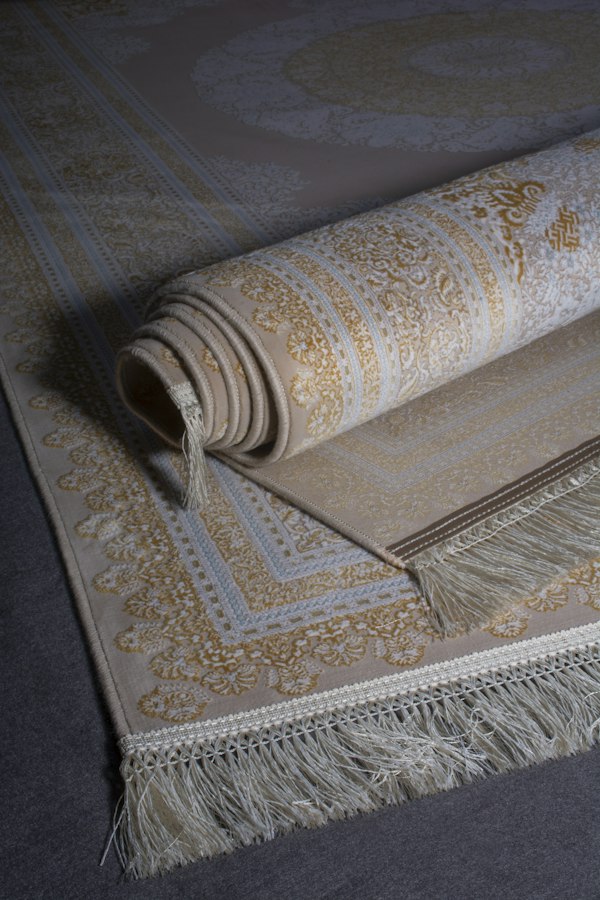
Natural Dyeing Techniques Used in Premium Handmade Rugs
Discover how traditional natural dyeing techniques produce rich, lasting colors while enhancing the authenticity and beauty of handmade rugs.
Before the invention of synthetic chemical dyes in the mid-19th century, every rug woven in the world derived its color from nature. Artisans extracted brilliant reds, deep blues, and vibrant yellows from roots, insects, bark, and flowers.
Today, while high-quality synthetic chrome dyes are widely used in luxury rug production for their incredible colorfastness, a niche market of collectors and designers still demands the unparalleled, organic beauty of vegetal (natural) dyes. At Ajaypee Carpets, we celebrate this ancient alchemy. Here is a look at the fascinating world of natural dyeing in handmade rugs.
The Magic of Natural Dyes
Why do collectors prize naturally dyed rugs? Because natural dyes are "alive."
- The Abrash Effect: Unlike synthetic dyes, which color a batch of wool uniformly, natural dyes react differently to the slight variations in hand-spun wool. This results in "abrash"—subtle, horizontal color variations across the surface of the rug. A naturally dyed red rug won't be a flat, solid red; it will ripple with shades of crimson, rust, and maroon. This organic variation gives the rug a soul and a sense of depth that machines cannot replicate.
- Aging Gracefully: Synthetic dyes can sometimes look harsh or garish. Natural dyes are inherently harmonious because they share the same organic origins. Furthermore, as natural dyes age and are exposed to sunlight, they don't fade into dullness; they mellow into a beautiful, glowing patina.
The Traditional Dye Palette
Creating color from nature is a complex science. Here are the historic sources for the primary colors found in traditional rugs:
1. Blue: The Indigo Plant
Indigo is the undisputed king of natural dyes. Extracted from the leaves of the Indigofera plant, the dyeing process is notoriously difficult.
- The leaves are fermented in vats to release the dye. The yarn is submerged in the yellowish-green liquid.
- The magic happens when the yarn is pulled out of the vat and exposed to oxygen: the yarn literally turns blue before the dyer's eyes. Multiple dippings are required to achieve the deep, midnight blue found in classic Persian rugs.
2. Red: Madder Root and Cochineal
Red is the most prominent color in traditional rug design, signifying joy and courage.
- Madder Root: The root of the Rubia tinctorum plant produces incredibly rich, earthy reds, ranging from pale rust to deep brick red, depending on the age of the root and the temperature of the dye bath.
- Cochineal: For a brighter, cooler, purplish-red (magenta), dyers historically used Cochineal—a dye extracted from the crushed shells of a tiny scale insect found on cacti.
3. Yellow: Weld, Saffron, and Pomegranate
Yellow is notoriously difficult to stabilize as a natural dye (it is highly prone to fading in sunlight).
- Weld: The most colorfast natural yellow is extracted from the weld plant (Wild Mignonette).
- Pomegranate: The rinds of pomegranates yield a beautiful, warm golden-yellow.
- Saffron: While it produces a spectacular, vibrant yellow, saffron is overwhelmingly expensive and therefore rarely used in large-scale rug dyeing.
4. Creating Secondary Colors (Green and Orange)
There is no reliable, single natural source for a colorfast green dye.
- To create green, the Master Dyer must "over-dye" the wool. They first dye the yarn yellow (using weld), let it dry, and then dip it into the indigo (blue) vat. The combination creates a rich, complex green.
- Orange is achieved similarly, by over-dyeing madder red with weld yellow.
The Role of the Mordant
You cannot simply boil wool in crushed roots and expect the color to stay. Natural dyes require a chemical binding agent called a mordant (usually alum or iron) to fix the dye to the wool fiber.
- The Master Dyer must carefully balance the mordant; too little, and the color washes out; too much, and the chemicals make the wool brittle.
Conclusion
Naturally dyed handmade rugs are the pinnacle of organic luxury. They represent a deep, sustainable connection to the earth and the historic traditions of the artisans who weave them.
Explore the rich, lasting colors of our traditionally dyed luxury rugs at Ajaypee Carpets.
Published in Handmade Craftsmanship