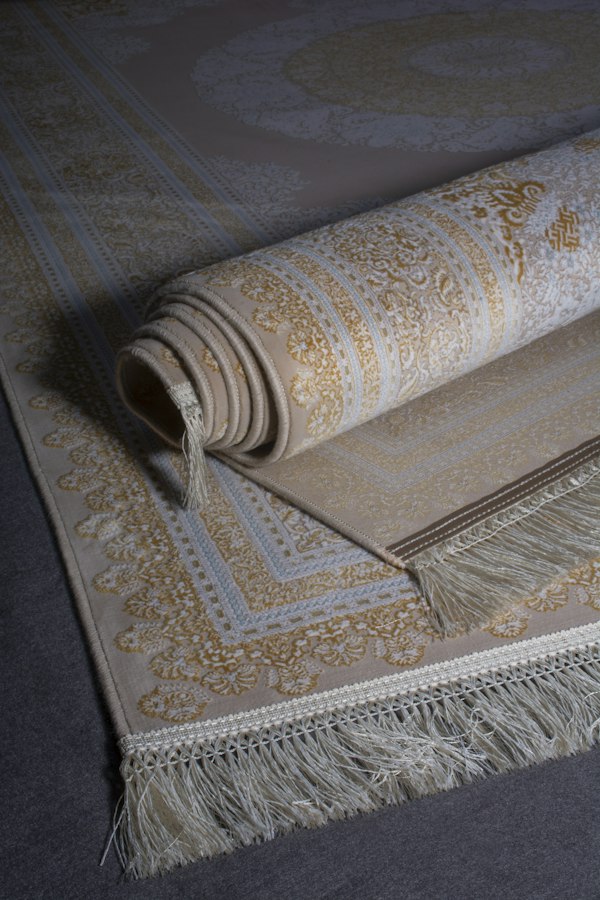
Choosing between wool and silk isn't just an aesthetic decision—it's a matter of fiber resilience and lifestyle.
Wool is best for high-traffic living rooms due to its natural durability and stain resistance (lanolin). Silk is the most luxurious and detailed, ideal for low-traffic bedrooms or wall hangings. Jute is a textured, low-maintenance natural fiber best for dry, casual spaces. Cotton is casual and easy to clean, often used in flatweaves and dhurries.
Yes, shedding is completely normal for a new hand-knotted wool rug. It is a natural process where loose staple fibers work their way out of the pile. High-quality New Zealand wool will stop shedding significantly after a few months of regular vacuuming (without a beater bar).
Pure wool is the most durable material for high-traffic areas like entryways, living rooms, and hallways. Wool fibers have a natural coil structure that bounces back from heavy furniture compression and contains lanolin, a wax that naturally repels water and stains.
While jute and sisal don't harbor dust mites as easily as deep-pile synthetic rugs, they can shed micro-fibers that irritate severe allergies. A tightly woven, low-pile wool or pure silk rug is often best for allergy sufferers, as natural animal fibers trap dust effectively until vacuumed, keeping it out of the breathing zone.
Yes, a pure silk rug is worth the price difference if you are seeking a luxury heirloom with photorealistic details. Silk fibers act like prisms, reflecting light and changing color depending on your viewing angle. However, if you have pets, children, or high foot traffic, a wool rug is a much more practical and durable investment.